
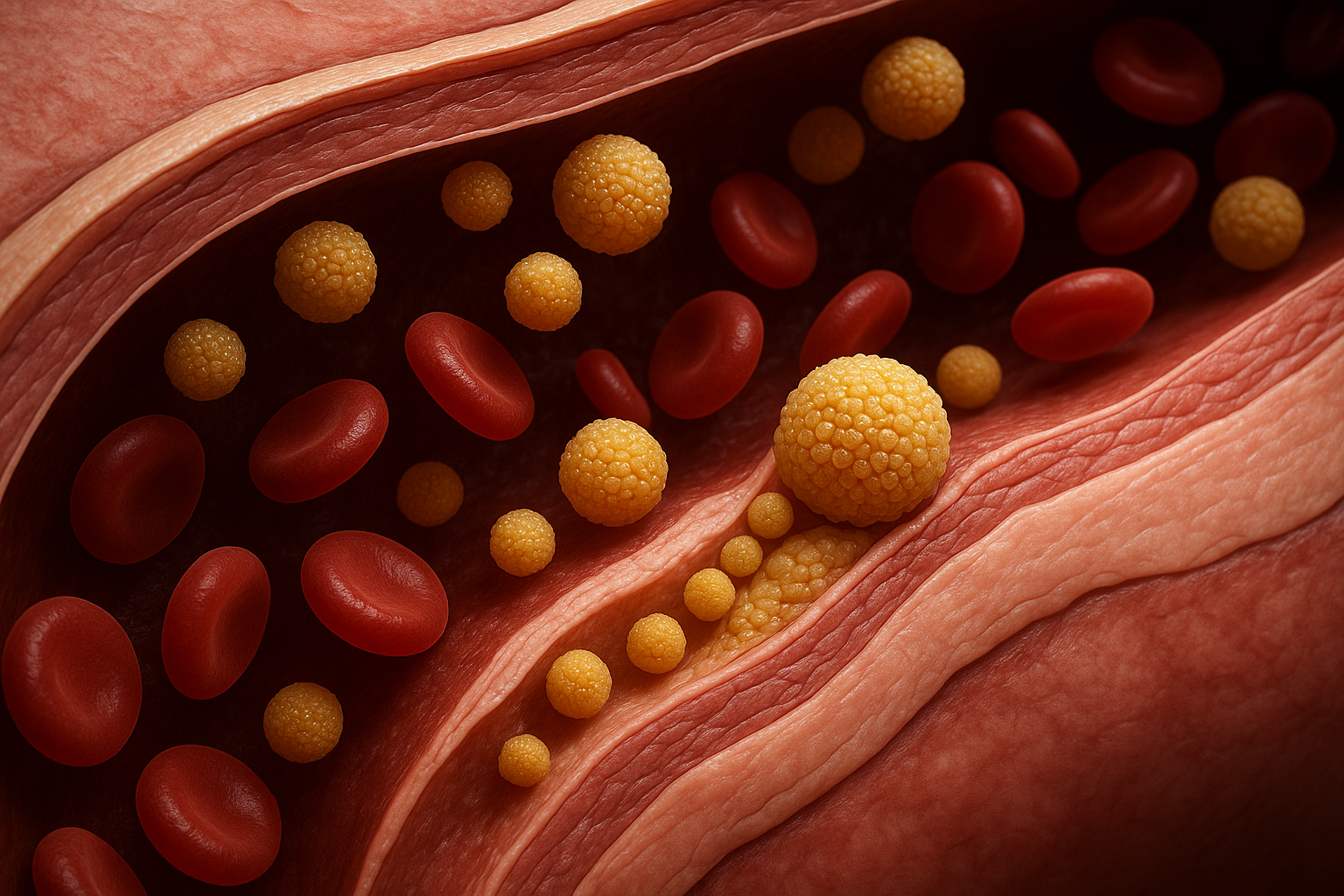
Paradox called LDL: Why doctors fight with a number the body needs
When the system fights the symptom and doesn't ask why
"You have high LDL cholesterol. We need to lower it." Every other patient hears this sentence. Automatically. Without explanation. What follows is a prescription for statins, advice to avoid fats, replace butter with margarine, and ideally switch to fat-free foods. The problem is that this entire recommendation is based on a model that ignores fundamental biological facts.
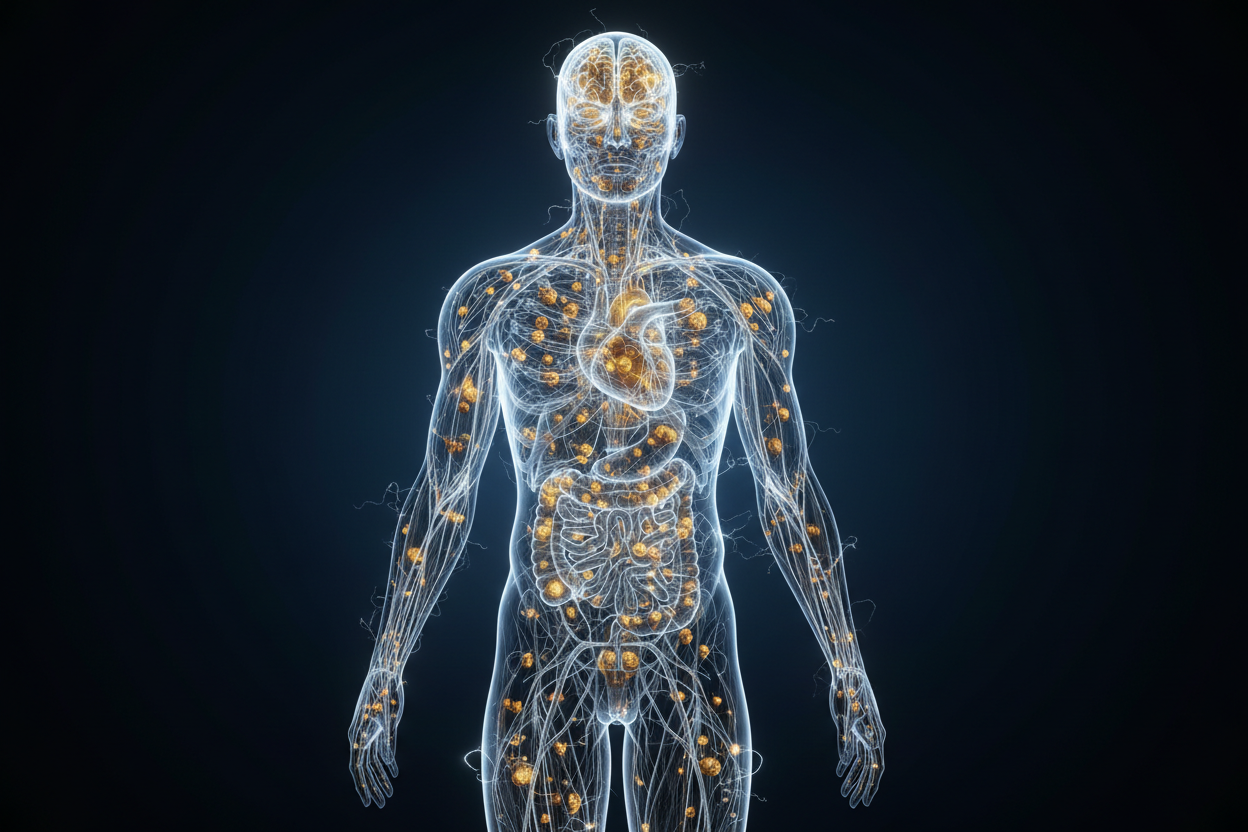
Approximately 80–85% of cholesterol is produced endogenously in the body, primarily in the liver. The body produces it on its own. Every day. Not because it has gotten out of control, but because cholesterol is an absolutely essential molecule for survivalLDL is just its transport form. It carries it to the cells, where vitamin D is produced from it, sex hormones are formed, cell membranes are repaired, and mitochondrial antioxidants are generated.
Despite this, LDL is considered a threat. It is still lowered with statins. Dietary recommendations also limit its intake from food, which, however, accounts for barely one-fifth of the total amount.
LDL is not a pathogen. It is a carrier of biological potential.
LDL cholesterol itself does not cause diseases. It is not toxic, nor is it "bad." It is a carrier. A carrier of cholesterol – a raw material without which the body cannot produce steroid hormones, vitamins, or repair damaged membranes. It is a fundamental building block of all living things.
LDL rises in the blood not because there is too much of it, but because the body cannot utilize it at that momentAnd the reason is not diet. The reason is the environment. Lost rhythm. Lack of light. Mitochondrial weakness.
System paradox: when the transformation doesn't work, the distribution is blamed
The body does not produce LDL unnecessarily. LDL is waiting to be used. In order for vitamin D to be made from cholesterol, it is necessary UVB radiation on the skinFunctional mitochondrial activity—regulated by light, rhythm, and redox state—is necessary for the production of sex hormones. Conversion to the sulfated, water-soluble form requires presence of nitric oxide (NO), sulfur and photonic energy.
When we live under LED lights, wake up without sunrise, sleep with our phone by our head, and eat in the dark, the body receives no signal to activate these enzymatic pathways. And so cholesterol in the body does not convert – remains in circulationIn the lab, we then see "high LDL," and instead of asking why, there is an effort to silence the number.
Statins: Suppressing the Signal Instead of Understanding the Cause
Statins block the enzyme HMG-CoA reductase, thereby reducing cholesterol production in the liver. At the same time, they also suppress the formation of ubiquinone (CoQ10) – a key antioxidant for mitochondria. Without it, cellular energy decreases, the ability to regenerate worsens, and oxidative stress increases.
Paradoxically, the body becomes even less able to manage cholesterol. LDL levels drop, but at the same time, overall vitality decreases. It is chemical solution to biological deficiency, which do not address the cause but only mask the symptom.
Fear of cholesterol instead of understanding its role
Studies from recent years repeatedly show that In people over 60, higher LDL correlates with a longer lifespanIn groups without prior cardiovascular disease, the effect of statins on reducing mortality is often statistically insignificant. Nevertheless, they continue to be recommended. Not because they make biological sense, but because they fit a simplified model: a high number = risk.
In fact, it is LDL a mirror of the environment, not of diseases.
Restoring balance: the path back to the light
The body needs conditions, not suppression. LDL only becomes a "problem" when there is no way to use itAnd for that, the light regulation of biochemistry must be restored:
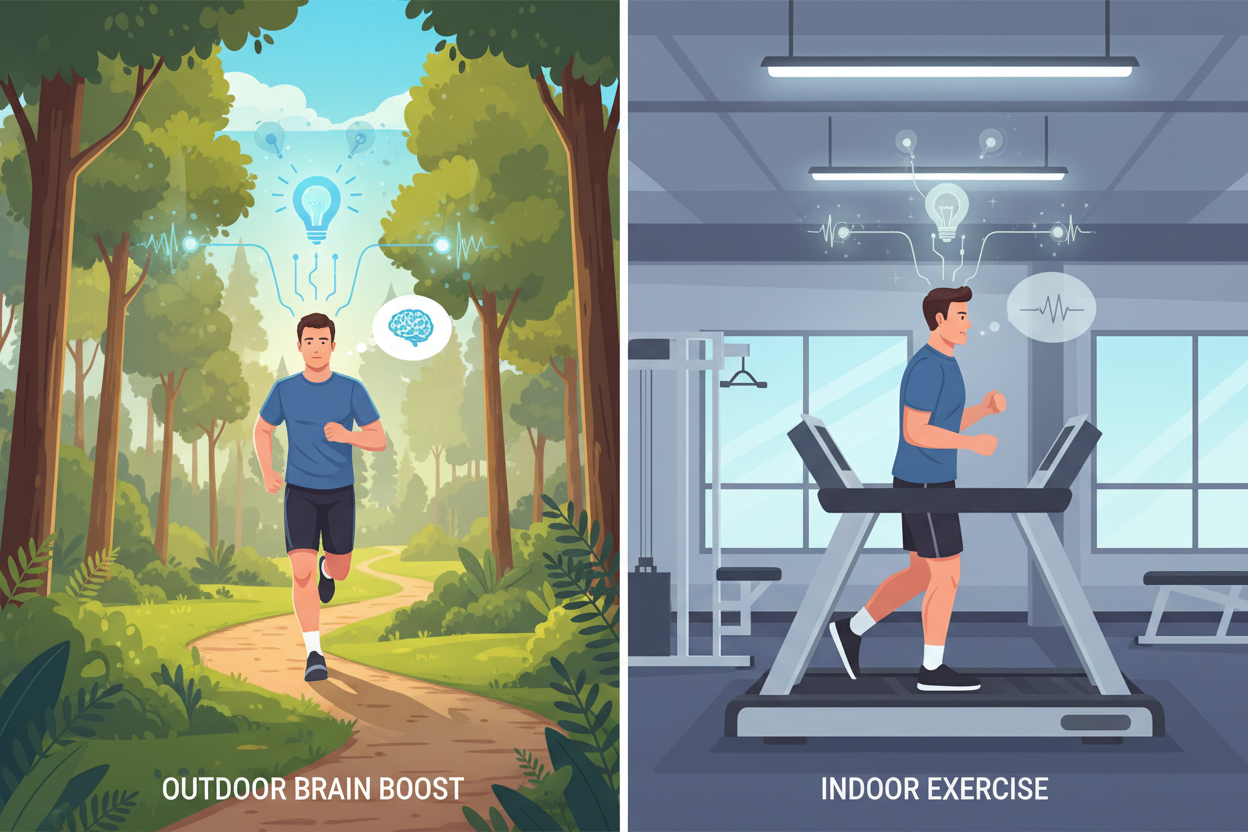
– exposure to morning light without glasses
- sufficient exposure to UV light, especially in the morning
– sleep in darkness without blue light in the evening
– fasting movement that promotes beta-oxidation
– restoration of sun exposure and vitamin D synthesis
– intake of sulfur and healthy fats, which serve as a substrate, not as a threat
Cholesterol then remains exactly what it is meant to be: material for health, not a signal for intervention.
Conclusion: The non-cholesterol era is an illusion
A body without cholesterol is not healthy. A body that cannot process cholesterol is not in balance. High LDL is not a fault. It is a slowed metabolism in a world that ignores natural laws.
The real problem isn't cholesterol. It's loss of biological rhythm.
And that cannot be prescribed. It must be live.

Leave a comment
This site is protected by hCaptcha and the hCaptcha Privacy Policy and Terms of Service apply.