

When a smoothie is less healthy: Bananas and flavanols
Smoothies are a modern trend for healthy eating, and many people can't praise them enough. However, new findings from scientific research bring a surprising revelation – bananas, a common ingredient in smoothies, can actually reduce the health benefits of these drinks. Although bananas themselves are considered healthy, they contain an enzyme called polyphenol oxidase, which is responsible for the breakdown of flavanols – important compounds that contribute to a range of positive health effects.
Flavanols are known for their role in supporting cardiovascular health and cognitive functions, and they are found abundantly in many fruits and vegetables such as apples, pears, blueberries, blackcurrants, grapes, and cocoa. These fruits, if local and seasonal, not only support sustainability and reduce environmental impact but often contain higher concentrations of nutrients due to the shorter time between harvest and consumption. However, when making smoothies, it has been shown that adding banana leads to a dramatic decrease in the amount of these valuable flavanols that enter our bloodstream – up to 84% compared to control samples.
What does this mean for smoothie lovers? If your goal is to maximize flavanol intake to support health, you should consider making your smoothies without bananas. Instead, you can use fruits with low polyphenol oxidase activity, such as pineapples, oranges, or mangoes, or add yogurt. Bananas are indeed a great fruit full of nutrients, but when it comes to getting the best health benefits from flavanols, they might be better enjoyed as a standalone snack.
Research in this area continues and may lead us to further interesting discoveries in the future about how fruit and the ways it is prepared affect the absorption of various nutrients. All of this teaches us that even seemingly small details, such as the choice of ingredients for a smoothie, can have a significant impact on how our body utilizes the nutrients we provide it.
https://pubs.rsc.org/en/content/articlelanding/2023/fo/d3fo01599h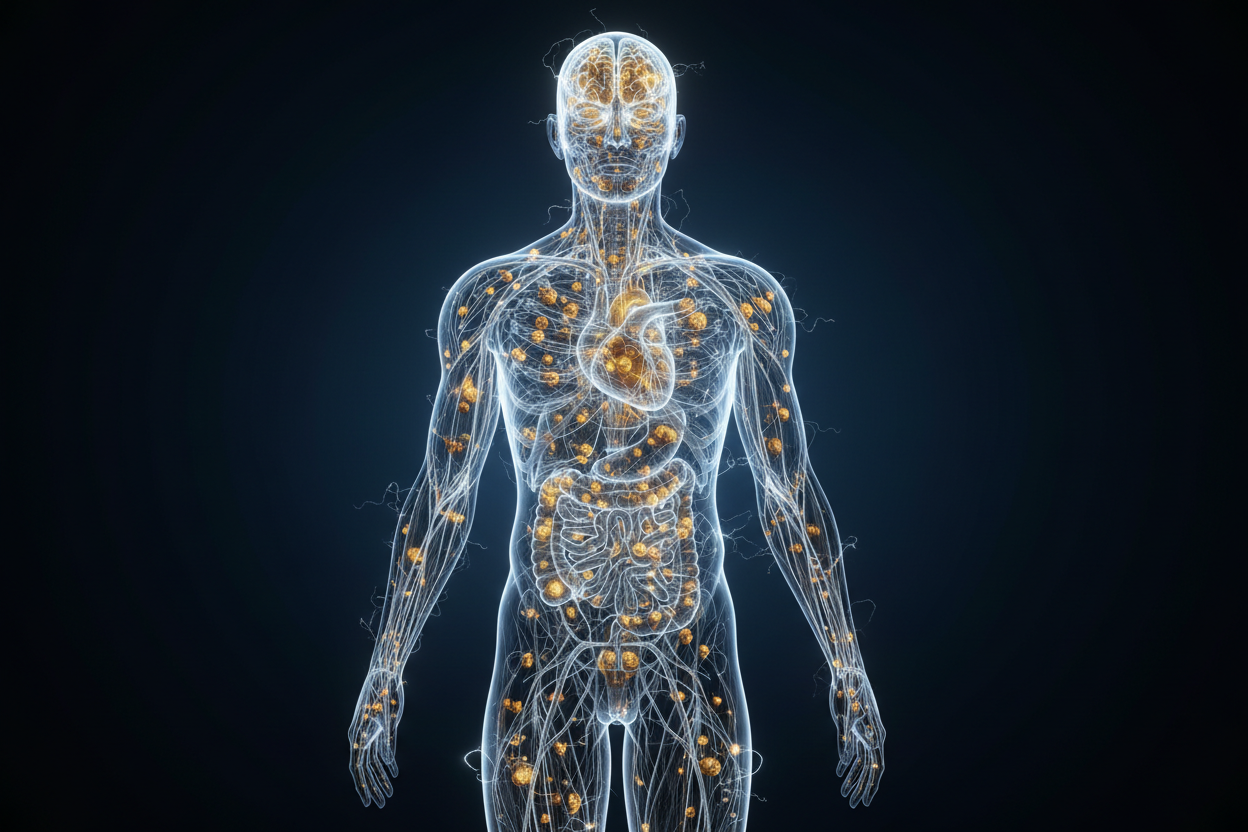

Leave a comment
This site is protected by hCaptcha and the hCaptcha Privacy Policy and Terms of Service apply.