

Bio-photons, light, and quantum biology: a comprehensive view on regeneration, consciousness, and cancer disease
Detailed and comprehensive introduction to biophotonics for doctors, scientists, and professionals
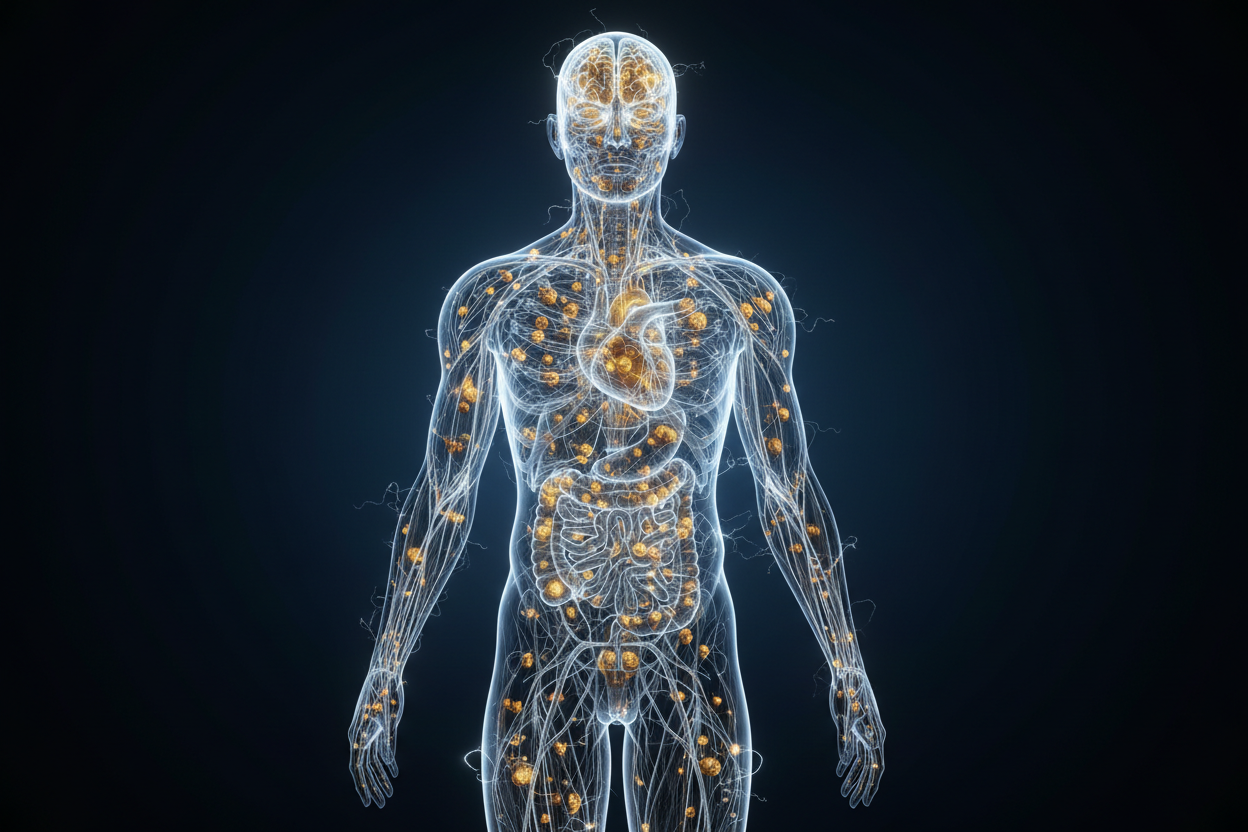
Traditional medicine has long relied on biochemistry, molecular biology, genetics, and pharmacology, which allow for a detailed understanding of the cellular and molecular mechanisms of health and disease. However, it is increasingly evident that there are biological phenomena that go beyond classical chemical explanations and require a deeper understanding of physical principles. Biophotonics and quantum biology provide a new framework that connects the physical laws of quantum mechanics with life processes. Biophotons, spontaneously emitted light quanta in living systems, are key to understanding this new level of biological interactions.
Definition and Physical Basics of Biophotons
Bio-photons, also known as ultra-weak photon emissions (UPE), are spontaneously emitted light quanta by living organisms without external stimulation. The wavelengths of these bio-photons range from ultraviolet (UV) to near-infrared (NIR) spectrum (280–850 nm). Their origin is associated with mitochondrial metabolism, oxidative reactions, and the production of reactive oxygen species (ROS). Lipid peroxidation of cell membranes and electron transitions in mitochondrial complexes are the primary sources of these emissions. These bio-photons likely play an important role in intercellular signaling and communication at both the cellular and subcellular levels.
Occurrence of photosensitive proteins deep in the brain
Modern research has revealed the presence of opsins, light-sensitive proteins traditionally associated with the eye's retina, deep within brain structures as well, such as the hypothalamus, pineal gland, and thalamus. These opsins include melanopsins, neuropsins, and encephalopsins. The fact that these proteins are found in brain areas where external light does not penetrate supports the theory that the brain not only responds to external light but also generates its own light in the form of endogenous biophotons. The significance of these opsins in the brain is currently being intensively studied, especially in relation to the regulation of circadian rhythms, mood, sleep, and neuroendocrine functions.
Bio-photons in the brain and their role in the quantum dynamics of neurons
The brain as an organ consumes approximately 20% of the body's oxygen, although it makes up only about 2% of body weight. The high metabolic activity of neurons leads to the production of biophotons through mitochondria. These biophotons can be further transported within neurons using microtubules, which function as biological optical fibers. Microtubules have the ability to resonate across a wide range of frequencies (MHz to THz), supporting the theory that they may serve as a quantum communication network inside and between cells. This concept offers a new explanation for cellular communication and neuronal information integration.
Quantum Biology and Models of Consciousness
The theory of quantum consciousness, formulated by scientists such as Stuart Hameroff and Roger Penrose, posits that consciousness is not merely the result of neuronal electrochemical activities but is the outcome of quantum interference of biophotonic signals in the microtubules of neurons. According to this theory, consciousness represents a quantum information field generated by quantum processes within neuronal structures. Recent experimental studies support this concept by showing correlations between the intensity of biophotons, their spectral characteristics, and specific cognitive processes and states of consciousness.
Role of Bio-Photons in Tissue Regeneration and Wound Healing
Studies on tissue regeneration in amphibians and other organisms reveal that regenerative abilities can be modulated not only by chemical factors but also by specific physical factors, such as light stimuli. Photobiomodulation using red and infrared light has been shown to stimulate mitochondrial activity, promote angiogenesis, reduce inflammatory response, and attract immune cells to damaged tissues. Biophotons function here as signaling molecules that coordinate cellular processes necessary for successful tissue regeneration and repair.
Cancer and biophotonic changes
Cancer cells exhibit, in addition to genetic and metabolic differences (e.g., the Warburg effect), specific biophotonic emissions. Studies show that tumor cells produce biophotons with a significantly different spectrum than healthy cells, particularly with a shift toward blue and UV radiation. This unique biophotonic signature could serve as a non-invasive diagnostic tool, enabling rapid and reliable differentiation of healthy tissue from pathological tissue solely based on measuring light emissions from the tissue. The quantum biological approach thus brings new perspectives in cancer diagnosis and therapy.
Conclusion and Future Perspectives
Bio-photonics and quantum biology represent a revolutionary shift in the understanding of biological systems and human health. These fields enable the comprehension of the organism as a system that actively generates, receives, and interprets light and quantum informational signaling. Further research and development of technologies such as photobiomodulation and biophotonic diagnostics have the potential to fundamentally change medicine, including neurology, oncology, and regenerative medicine. Bio-photons are therefore not merely a curiosity but the key to a new understanding of life at the deepest level.


Leave a comment
This site is protected by hCaptcha and the hCaptcha Privacy Policy and Terms of Service apply.